
/ MATERIALS
Titanium. Inconel. Aluminum and more.
Each alloy demands different tooling, different cutting parameters, and a different machining approach. Material expertise is part of what we quote.
/ MATERIALS
Precision Materials: Titanium,
Inconel, Aluminum, and more
The alloy determines the machining strategy. Ti-6Al-4V, Inconel 718, aerospace-grade aluminum, and other aerospace-grade alloys each require specific tooling, cutting parameters, process controls, and inspection methods. We machine them for aerospace and automotive programs — with full material traceability and documentation at every stage.
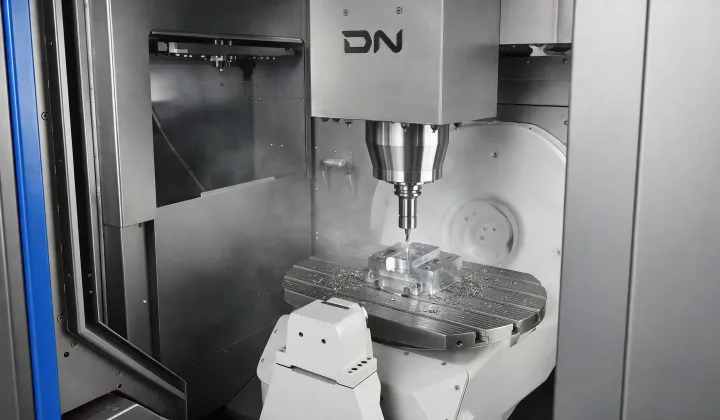
/ Ti-6Al-4V · Ti-3Al-2.5V
Titanium Precision Machining
The primary grades for structural aerospace and automotive components, engine hardware, and precision-critical fittings. Titanium's low thermal conductivity means heat stays in the tool and the workpiece. Our cutting parameter strategies, coolant approach, and toolpath logic are built for titanium's specific behavior — not adapted from aluminum practice.
Explore Titanium Machining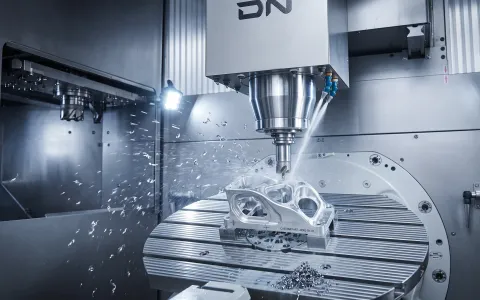
/ Inconel 718
Inconel Precision Machining
For engine components and high-temperature hardware. Inconel work-hardens rapidly in the cut — a toolpath that dwells creates a hardened surface layer that breaks tools and fails surface finish requirements. We machine Inconel with toolpaths designed to eliminate dwell and profilometry verification on fatigue-critical features.
Explore Inconel Machining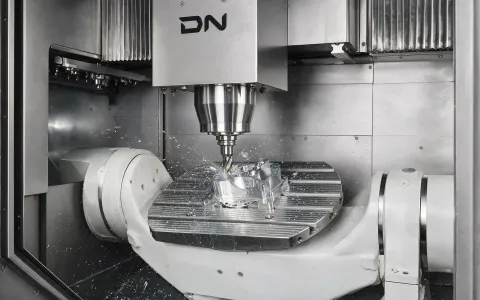
/ 7075-T6 · 2024-T3
Aluminum Precision CNC Machining
For structural aerospace and automotive components, brackets, and assemblies where strength-to-weight ratio governs the design. High-strength aluminum parts frequently require high material-removal ratios — leaving thin webs that require controlled roughing sequences and finish-pass fixturing strategies.
Explore Aluminum Machining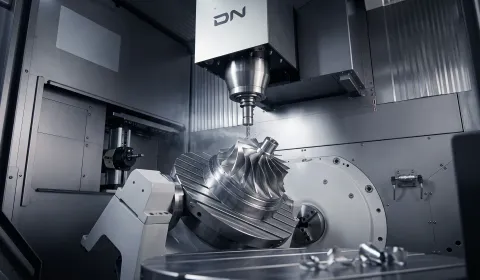
/ 15-5PH · 17-4PH · 303/304/316
Stainless Steel Precision Machining
Where corrosion resistance and moderate-to-high strength matter more than the extreme strength-to-weight ratio of titanium, stainless steel serves aerospace and automotive programs at lower cost — with precipitation-hardened grades for structural hardware and austenitic grades for fluid system components. Each grade family requires a different machining approach.
Explore Stainless Steel Machining/ MATERIAL SELECTION
Discussing Material for Your Program
If your program is at the design stage and material selection is still open, our drawing review includes material context — where titanium earns its weight penalty, where aluminum is the correct structural choice, where Inconel's high-temperature performance is required versus where a lower-cost stainless might satisfy the operating environment.
These are engineering conversations, not upsell conversations. The right material for your program is the one that satisfies the structural and environmental requirements at the specified service conditions. Submit your part for review and we'll include material context in the feedback.
Submit a Part for Material Review
Upload your drawing. An engineer reviews material suitability and pricing — response within 24 hours.
/ QUOTE RESPONSE — 24HR AFTER SUBMISSION